From Independence to Full Support: Secret Distinctions Between Assisted Living and Nursing Homes
Business Name: BeeHive Homes of Santa Fe NM
Address: 3838 Thomas Rd, Santa Fe, NM 87507
Phone: (505) 591-7021
BeeHive Homes of Santa Fe NM
BeeHive Homes of Santa Fe NM is a premier Santa Fe Assisted Living facilities and the perfect transition from an independent living facility or environment. Our Alzheimer care in Santa Fe, NM is designed to be smaller to create a more intimate atmosphere and to provide a family feel while our residents experience exceptional quality care. We promote memory care assisted living with caregivers who are here to help. Memory care assisted living is one of the most specialized types of senior living facilities you'll find. Dementia care assisted living in Santa Fe NM offers catered memory care services, attention and medication management, often in a secure dementia assisted living in Santa Fe or nursing home setting.
3838 Thomas Rd, Santa Fe, NM 87507
Business Hours
Choosing between assisted living and a nursing home is rarely a purely clinical choice. It is usually a household story: a spouse attempting to keep a promise, an adult kid feeling pulled in between work and caregiving, an older adult attempting to hold on to self-respect while accepting that some help is now necessary.
I have sat at kitchen area tables with families who waited too long, and with others who moved too quick out of fear. The hardest scenarios often came from a basic misconception. People used "assisted living" and "nursing home" as if they were interchangeable, then found late in the process that they had selected the wrong level of care.
Understanding the genuine distinctions between these two types of senior care is the foundation for a much safer, more considerate plan. It forms whatever: cost, lifestyle, medical safety, and the emotional tone of the years ahead.
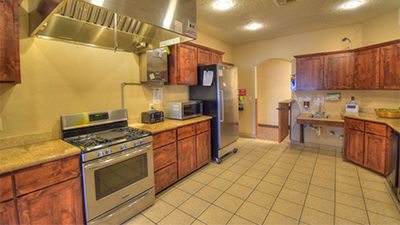
Two Very Various Philosophies of Care
On paper, assisted living and nursing homes might look comparable. Both supply housing, meals, and assist with everyday tasks for older grownups. In practice, they exist on various points of a spectrum, from independence to full medical support.
Assisted living is developed around the idea of helping an older adult remain as independent and engaged as possible, with support woven in around life. The setting feels more like an apartment or a residential hotel. Citizens lock their own doors, provide their own areas, and come and go to meals and activities by choice. Staff aid with personal care, medications, and safety checks, but the underlying assumption is that the person can participate in their own life decisions.
Nursing homes, likewise called skilled nursing facilities, are structured first around medical and nursing needs. Locals tend to have more complex health problems: unstable heart disease, advanced dementia, regular falls, feeding tubes, or the requirement for daily nursing treatments. The environment feels more scientific. There are nurses on-site 24 hr a day, physicians managing care, and rigorous regimens tied to medical tasks.
If you hold one clear idea in mind, let it be this: assisted living is social and support focused, nursing homes are medical and guidance focused. Numerous older grownups will move through this spectrum as their health changes.
A Quick Photo: Secret Differences
To anchor the principles, it can assist to see the high level contrasts in one place.
- Assisted living is designed for people who are primarily steady medically but need help with everyday tasks like bathing, dressing, or handling medications.
- Nursing homes are developed for individuals who require continuous nursing care, close monitoring, or rehab after a hospital stay.
- Assisted living highlights personal privacy, social life, and option, typically in apartment-style units with shared dining and activities.
- Nursing homes highlight medical oversight and security, often with shared or semi-private rooms and more structured schedules.
- Assisted living is usually personal pay and less controlled in detail than nursing homes, which are greatly regulated and often funded by Medicare or Medicaid, depending upon the nation and specific situation.
The rest of this article goes into what these differences suggest once someone really lives there.
Daily Life: How It Actually Feels to Live There
When families tour communities, they typically focus on the decoration or the menu. Those matter, however what genuinely forms a resident's experience is the rhythm of a common Tuesday.
In most assisted living communities, mornings begin on the resident's schedule. Staff deal aid with rising, bathing, and dressing, but within a time window that appreciates personal preference. A resident might select breakfast in the dining room with pals, or have a tray brought to the home occasionally. There are usually a number of activities each day, from workout classes to conversation groups or outings to regional stores. Residents come and go, socialize, or retreat to their spaces as they wish.
The overall feel is similar to a small community with built-in supports. Some residents need only light help, such as reminders to take medication. Others may require more hands-on help, such as two-person transfers from bed to chair, however the culture still pushes toward autonomy where possible.
In a nursing home, daily life follows a more regimented pattern. Medications should be passed at specific times, treatments done on schedule, and meals coordinated with medical needs. Personnel work within stringent staffing ratios and documents requirements. For citizens with substantial medical or cognitive difficulties, that structure can be assuring and required for security. For those who are still fairly independent however clinically fragile, it can feel restrictive.
I once looked after a former instructor who moved from assisted living to a nursing home after a stroke. In assisted living, she arranged a casual book club and demanded strolling herself to meals. After the stroke, she needed a wheelchair and aid with transfers and toileting. In the nursing home, she missed out on the spontaneous corridor chats however needed the quick action when her high blood pressure dropped or when she had breathing issues at night. Her comment summed it up: "I quit a bit of freedom to survive longer and not scare my kids each week."
Neither setting is naturally much better. They support different requirements and temperaments.
Levels of Help: What Help Is In Fact Provided
Senior care marketing language can blur important lines. "We offer assistance with activities of daily living" appears on almost every sales brochure. The genuine concerns are: how much, how often, and by whom?
Assisted living generally focuses on:
- Help with activities of daily living (ADLs), such as bathing, dressing, grooming, toileting, and transferring.
- Medication suggestions or administration, frequently handled by trained aides with nurse oversight.
- Light house cleaning, laundry, and meals.
- Safety checks and reaction to call bells.
In numerous regions, assisted living personnel can not legally supply intricate medical treatments. They might not deal with feeding tubes, wound vacs, IV medications, or extensive behavioral management for severe dementia, especially if it includes hostility or wandering that compromises safety.
Nursing homes, in contrast, provide a full range of nursing services. This can include wound take care of pressure injuries, IV antibiotics, post-surgical care, tracheostomy care, and comprehensive management of multiple chronic conditions. They can also adapt more easily when somebody's condition intensifies all of a sudden, such as after a cardiac arrest flare or reoccurring infections.
Families often attempt to stretch assisted living beyond what it can securely deal with by including personal duty caregivers. This can work for a time, particularly if the individual values the homier environment. But as the requirement for two-person help, regular medical checks, or complex dementia care grows, the stress between self-reliance and security ends up being difficult to ignore.
Medical Oversight and Safety Nets
Medical oversight is where the gap in between assisted living and nursing homes becomes stark.
In most assisted living communities:
- There might be a nurse on-site only part of the day, or sometimes just on call.
- Physicians typically visit on a scheduled basis, or locals continue to see their own medical professionals off-site.
- If a medical emergency develops, staff call 911 and send the resident to the emergency situation department.
- Monitoring is periodic. Important indications might be checked only when there is a concern or for a specific medical order.
Nursing homes run much closer to a medical system:
- Licensed nurses are usually on-site 24 hours a day.
- Physicians and nurse specialists round frequently and respond to changes in condition.
- Many severe issues, such as urinary tract infections, minor pneumonias, or moderate cardiac arrest flares, can be treated on-site without a trip to the hospital.
- Residents often have regular important indications and weight checks, along with in-depth tracking of fluid consumption, skin stability, and behavior.
For somebody with fragile health who lands in the medical facility three or 4 times a year, the added medical support of a nursing home can reduce that cycle of crisis. For somebody whose conditions are stable, assisted living generally supplies adequate oversight with much more autonomy.
Cognitive Changes and Dementia: Where Each Setting Fits
Cognitive decline makes complex whatever. Memory loss can be mild and primarily frustrating, or it can advance to the point where an individual no longer recognizes danger, wanders outside at night, or becomes aggressive when frightened.
Many assisted living communities offer "memory care" units. These are generally safe and secure, with locked doors and specialized personnel training. They are created for locals with moderate dementia who need structured routines, ecological hints, and close supervision, but who do not require constant hands-on nursing care.
However, memory care in assisted living still has limitations. If somebody begins to fall consistently, declines medications, has unmanageable behavioral symptoms in spite of psychiatric support, or develops late-stage dementia with feeding problems and frequent infections, a nursing home is generally much better equipped. Skilled nursing facilities can supply more intensive guidance, complex medication adjustments, and coordination with psychiatric and palliative care teams.
Families typically battle with regret over moving a loved one with dementia from assisted living or memory care into a nursing home. In my experience, the question to ask is not "Can we keep them here with sufficient assistance?" however "Is this environment still keeping them safe and comfortable, or are we bending it beyond its design?"
Costs, Insurance, and Financial Trade-offs
Costs vary extensively by area, however the financial patterns are relatively consistent.
Assisted living is generally personal pay. Regular monthly fees cover lease, meals, and a basic level of service, with added fees for higher care tiers. A resident might start at a lower cost and, as they require more assist with bathing, movement, or incontinence care, move into higher pricing levels. Relative are frequently shocked when the month-to-month expense grows significantly over numerous years.
Long-term care insurance may pay for some or all of assisted living, depending upon the policy. Lots of policies have an "elimination period," which operates like a waiting period before benefits start. Veterans' advantages and certain local programs can assist, but they seldom cover the complete amount.
Nursing homes, on the other hand, are most likely to interface with public insurance coverage. In numerous nations, short-term rehab remains in a nursing home after a healthcare facility admission are covered by nationwide health programs or insurance coverage. Long-lasting custodial care in a nursing home might be paid through a mix of personal funds, long-lasting care insurance, or federal government programs for those who qualify financially.
The financial compromise is real. Assisted living frequently feels better and more individual, but might need ongoing private payment. Nursing homes can become more inexpensive for long-term, high-needs elderly care if the resident gets approved for public support, but the environment is more institutional.
The useful technique is to run monetary scenarios early. If a household is spending down savings quickly in assisted living to keep someone in a more independent setting, it is smart to map out what happens if a nursing home level of care ends up being necessary. Planning ahead avoids hurried decisions in the middle of a crisis.
The Role of Respite Care in the Decision
Respite care can be an effective, underused tool when families doubt about the best level of care. Both assisted living neighborhoods and nursing homes often use short-term stays, anywhere from a few days to numerous weeks.
In assisted living, respite care is normally tailored toward giving family caregivers a break or test-driving the community. An older adult might remain for 10 days while their kid travels for work. Throughout that stay, personnel can observe how much support is actually needed. Families are typically shocked. A parent who "only needs a little aid" in the house sometimes ends up to need more hands-on support once they are observed throughout complete days and nights.
In nursing homes, respite stays can serve comparable purposes however with greater medical oversight. If a caregiver is exhausted from supplying 24-hour care to a spouse with sophisticated dementia, a week or two of respite in a proficient setting can stabilize medications, enhance nutrition, and provide the caregiver space to believe plainly about long-lasting plans.
Used thoughtfully, respite care becomes a low-risk method to collect info. It enables everybody to experience the setting before devoting to a long-term move and can highlight whether assisted living suffices or a nursing home is genuinely needed.
Emotional Realities: Self-reliance, Identity, and Family Dynamics
Care decisions are hardly ever almost safety. They are likewise about identity.
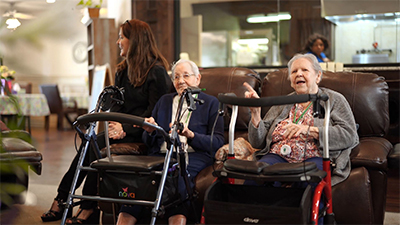
An older adult moving into assisted living might be grieving the loss of a home, a garden, or driving. Assisted living, when succeeded, acknowledges that loss while preserving as many regimens and choices as possible. Residents can embellish their apartments with familiar furnishings, maintain pastimes, and make brand-new pals. Personnel can fold small choices into everyday care, such as how a person likes their coffee or the order in which they dress.
A transfer to a nursing home frequently follows a medical occasion or a noticeable decline. The shift can feel abrupt. I have seen citizens move from complete self-reliance to a nursing home in the span of three weeks after a fall and stroke. In those cases, the emotional work for both the family and the resident includes accepting a new level of vulnerability. It assists when personnel require time to understand who the individual was before they required this level of aid, not simply who they are on paper now.
Family dynamics can complicate whatever. Siblings may disagree about dangers or expenses. A spouse may demand "never ever putting them in a home" and then face burnout and bitterness. Naming these psychological undercurrents openly, typically with the aid of a social employee, causes better decisions.
Practical Signals That Assisted Living May Be Enough
Families typically request a basic general rule. There is no ideal formula, but particular patterns recommend that assisted living is likely appropriate, a minimum of for now.
Assisted living tends to work well when:
- Medical conditions are relatively steady, with regular office visits rather than frequent emergency situation trips.
- The person can participate in their own care choices, even if they require tips or help with execution.
- They can consume consistently without extensive prompting or special interventions.
- Behavioral symptoms from dementia, if present, are workable with redirection and do not involve serious aggression or self-harm.
- Falls, if taking place, are infrequent and not triggering serious injuries, and staff can fairly reduce threat with assistances like grab bars and movement aids.
In these situations, the social structure, activities, and personal privacy of assisted living can actually improve health by minimizing seclusion and supporting balanced routines.
Clear Signs That a Nursing Home Might Be Safer
Conversely, there are patterns that indicate a need for the greater level of senior care offered by a nursing home. The most worrying combination is frequent medical crises plus a shrinking capability to comprehend or follow security instructions.
Nursing home positioning becomes better suited when:
- There are duplicated hospitalizations or emergency situation visits for conditions like heart failure, pneumonia, severe infections, or uncontrolled diabetes.
- The individual requires two-person transfers regularly, utilizes a mechanical lift, or has become largely bedbound.
- They need skilled treatments on a daily or near-daily basis, such as intricate injury care, IV medications, or regular suctioning for breathing issues.
- Advanced dementia results in roaming into risky areas, aggressiveness that puts others at risk, or an inability to eat or consume without constant triggering or special assistance.
- Family caretakers or assisted living personnel are revealing unsustainable stress or fear about security in spite of affordable interventions.
When these patterns exist, attempting to "make assisted living work" frequently causes near-constant crises and burnout. A nursing home's heavier staffing design and medical infrastructure can provide a safer and more stable environment.
Questions to Ask When Visiting Communities
When you visit possible neighborhoods, it is simple to get captured up in looks. A newly renovated lobby does not guarantee good care, and an older building can house an exceptional group. Focus your restricted time on concerns that reveal how the location really functions.
Here are useful questions that typically expose more than any sales brochure:
- How do you choose when someone's needs are too high for this setting, and can you share current examples?
- What is your personnel turnover like, especially amongst aides and nurses, and how do you support training for dementia and complex care?
- How do you manage medical modifications at night or on weekends, and who is authorized to make decisions in those scenarios?
- For respite care, what information do you gather before admission, and how do you share what you find out with families afterward?
- Can I talk with a present resident or relative, selected by you, about their experience with interaction and responsiveness?
Listen for specifics instead of vague reassurances. The very best facilities, whether assisted living or nursing homes, are frank about their limitations and clear about how they intensify concerns.
Planning for Transitions Instead of One Final Move
One of the quieter truths in elderly care is that many individuals will not invest the rest of their lives in a single setting. A fairly typical trajectory may look like this: living at home with increasing assistance, then assisted living, then possibly memory care within assisted living, and ultimately a nursing home for those last months or years when medical requirements are constant.
Families often feel they have stopped working when a respite care BeeHive Homes of Santa Fe NM relocation from assisted living to a nursing home ends up being needed. In practice, this transition frequently implies that the earlier choices protected independence longer and made excellent usage of each level of care.
Good planning accepts that requires change. That implies:
- Choosing assisted living neighborhoods that have clear criteria and sincere interaction about when they can no longer safely satisfy needs.
- Understanding which nursing homes close by have strong reputations, even if you hope you never ever require them.
- Using respite care strategically to test settings and break cycles of caretaker exhaustion.
- Documenting choices ahead of time directives and care strategies so that when a crisis comes, decisions show the person's values, not simply the family's fear.
Thoughtful use of the full continuum of care is not a failure of self-reliance. It is typically what permits an older grownup to spend more time living and less time in avoidable crises.
Selecting in between assisted living and nursing homes is not about picking the "better" choice in some abstract sense. It is about matching genuine human requirements to the right environment at the right time, acknowledging that both independence and security matter deeply. When families comprehend the differences, ask difficult questions, and enable future shifts, they provide their loved ones a better opportunity at a last chapter marked by self-respect, convenience, and as much control as health will allow.
BeeHive Homes of Santa Fe NM provides assisted living care
BeeHive Homes of Santa Fe NM provides memory care services
BeeHive Homes of Santa Fe NM provides respite care services
BeeHive Homes of Santa Fe NM supports assistance with bathing and grooming
BeeHive Homes of Santa Fe NM offers private bedrooms with private bathrooms
BeeHive Homes of Santa Fe NM provides medication monitoring and documentation
BeeHive Homes of Santa Fe NM serves dietitian-approved meals
BeeHive Homes of Santa Fe NM provides housekeeping services
BeeHive Homes of Santa Fe NM provides laundry services
BeeHive Homes of Santa Fe NM offers community dining and social engagement activities
BeeHive Homes of Santa Fe NM features life enrichment activities
BeeHive Homes of Santa Fe NM supports personal care assistance during meals and daily routines
BeeHive Homes of Santa Fe NM promotes frequent physical and mental exercise opportunities
BeeHive Homes of Santa Fe NM provides a home-like residential environment
BeeHive Homes of Santa Fe NM creates customized care plans as residents’ needs change
BeeHive Homes of Santa Fe NM assesses individual resident care needs
BeeHive Homes of Santa Fe NM accepts private pay and long-term care insurance
BeeHive Homes of Santa Fe NM assists qualified veterans with Aid and Attendance benefits
BeeHive Homes of Santa Fe NM encourages meaningful resident-to-staff relationships
BeeHive Homes of Santa Fe NM delivers compassionate, attentive senior care focused on dignity and comfort
BeeHive Homes of Santa Fe NM has a phone number of (505) 591-7021
BeeHive Homes of Santa Fe NM has an address of 3838 Thomas Rd, Santa Fe, NM 87507
BeeHive Homes of Santa Fe NM has a website https://beehivehomes.com/locations/santa-fe/
BeeHive Homes of Santa Fe NM has Google Maps listing https://maps.app.goo.gl/fzApm6ojmRryQMu76
BeeHive Homes of Santa Fe NM has Facebook page https://www.facebook.com/BeeHiveSantaFe
BeeHive Homes of Santa Fe NM has a YouTube channel at https://www.youtube.com/@WelcomeHomeBeeHiveHomes
BeeHive Homes of Santa Fe NM won Top Assisted Living Homes 2025
BeeHive Homes of Santa Fe NM earned Best Customer Service Award 2024
BeeHive Homes of Santa Fe NM placed 1st for Senior Living Communities 2025
People Also Ask about BeeHive Homes of Santa Fe NM
What is BeeHive Homes of Santa Fe NM Living monthly room rate?
The rate depends on the level of care that is needed. We do a pre-admission evaluation for each resident to determine the level of care needed. The monthly rate is based on this evaluation. There are no hidden costs or fees
Can residents stay in BeeHive Homes of Santa Fe NM until the end of their life?
Usually yes. There are exceptions, such as when there are safety issues with the resident, or they need 24 hour skilled nursing services
Does BeeHive Homes of Santa Fe NM have a nurse on staff?
No, but each BeeHive Home has a consulting Nurse available 24 – 7. if nursing services are needed, a doctor can order home health to come into the home
What are BeeHive Homes of Santa Fe NM visiting hours?
Visiting hours are adjusted to accommodate the families and the resident’s needs… just not too early or too late
Do we have couple’s rooms available?
Yes, each home has rooms designed to accommodate couples. Please ask about the availability of these rooms
Where is BeeHive Homes of Santa Fe NM located?
BeeHive Homes of Santa Fe NM is conveniently located at 3838 Thomas Rd, Santa Fe, NM 87507. You can easily find directions on Google Maps or call at (505) 591-7021 Monday through Sunday 9:00am to 5:00pm
How can I contact BeeHive Homes of Santa Fe NM?
You can contact BeeHive Homes of Santa Fe NM by phone at: (505) 591-7021, visit their website at https://beehivehomes.com/locations/santa-fe, or connect on social media via Facebook or YouTube
Conveniently located near Beehive Homes of Santa Fe the Regal Santa Fe Place a great movie theater with full food & drink menu. Catch a movie and enjoy some great food while you wait.